
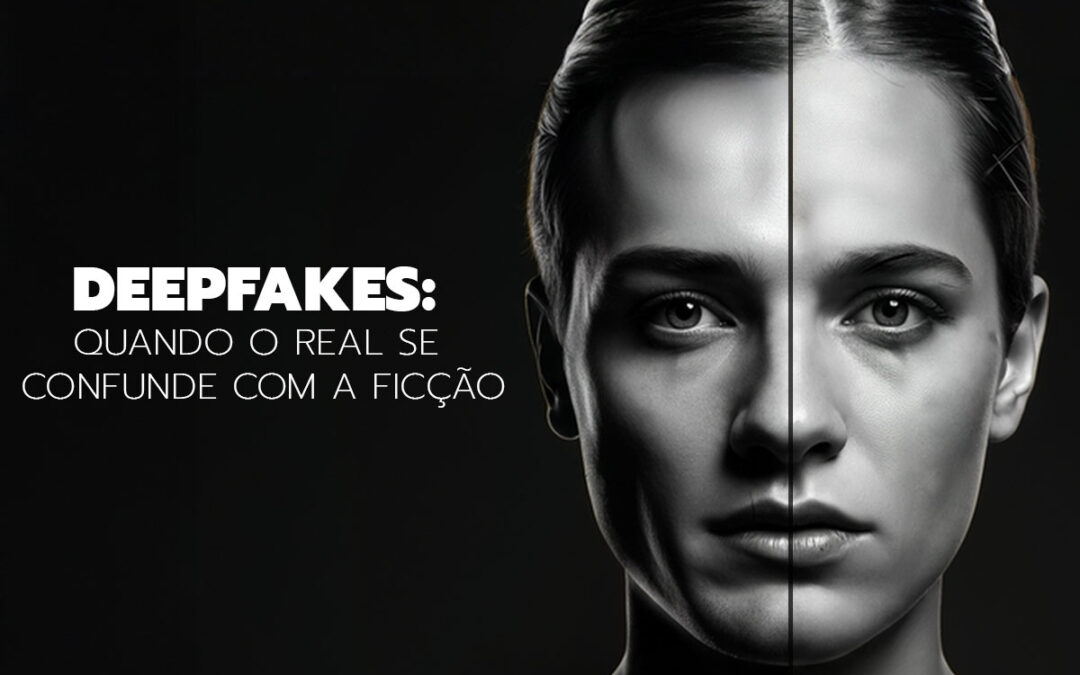
We live in an era where technology allows us to recreate faces, voices, and expressions with near-perfect fidelity. Deepfakes are videos, audio recordings, or images manipulated using artificial intelligence to simulate real people saying or doing things that, in truth, never happened. At first glance, they may seem harmless or even amusing, but their potential for manipulation and misinformation is deeply concerning.
Currently, Denmark is debating innovative legislation aimed at strengthening image rights and combating the abusive use of deepfakes. If approved, this proposal could influence all of Europe, setting a new standard for individual digital protection.
The major change proposed involves making the consent of the depicted person clearer and mandatory, even in artificially created content, and heavily penalizing the use of deepfakes for manipulation, defamation, or deception.
In a world where it is increasingly difficult to distinguish reality from fiction, defending our image and digital identity is vital. It's not just about protecting public figures or celebrities; it's about ensuring that every citizen has control over how they are represented in the digital space and is not a target of falsifications that could harm their reputation, personal or professional life.
Furthermore, this legislation raises an urgent question: how can we, as a society, maintain trust in what we see and hear? Recognizing the difference between reality and digital creation has become an essential new literacy in the 21st century.
The Danish proposal is thus more than just a law; it is a warning. A necessary step to protect our rights in a future where truth can be easily forged, and where, more than ever, knowing what is real is a fundamental right.
What Does Denmark Propose?
Among the most notable measures is the legal recognition that personal characteristics—such as face, voice, and even body expressions—belong to the individual and cannot be reproduced by artificial intelligence without consent. This applies to any citizen, not just public figures.
Additionally, the proposal includes:
- The criminalization of sharing deepfake content that realistically imitates someone without prior authorization, regardless of intent or harm caused.
- Specific protection for artists, whose performances—even improvised—are safeguarded for up to 50 years after their death, preventing their performances from being replicated by AI without a license.
- The recognition of revocable consent: even if someone has authorized the use of their image, they can withdraw that consent at any time, with the responsibility of proving that authorization falling on those who created or published the content.
- The imposition of obligations on digital platforms, which will have the duty to remove illegal deepfakes once notified—under penalty of heavy fines, according to the European Digital Services Regulation.
Claro, aqui está a tradução do texto para inglês: Deepfakes: When Reality Blurs with Fiction We live in an era where technology allows us to recreate faces, voices, and expressions with near-perfect fidelity. Deepfakes are videos, audio recordings, or images manipulated using artificial intelligence to simulate real people saying or doing things that, in truth, never happened. At first glance, they may seem harmless or even amusing, but their potential for manipulation and misinformation is deeply concerning. Currently, Denmark is debating innovative legislation aimed at strengthening image rights and combating the abusive use of deepfakes. If approved, this proposal could influence all of Europe, setting a new standard for individual digital protection. The major change proposed involves making the consent of the depicted person clearer and mandatory, even in artificially created content, and heavily penalizing the use of deepfakes for manipulation, defamation, or deception. In a world where it is increasingly difficult to distinguish reality from fiction, defending our image and digital identity is vital. It's not just about protecting public figures or celebrities; it's about ensuring that every citizen has control over how they are represented in the digital space and is not a target of falsifications that could harm their reputation, personal or professional life. Furthermore, this legislation raises an urgent question: how can we, as a society, maintain trust in what we see and hear? Recognizing the difference between reality and digital creation has become an essential new literacy in the 21st century. The Danish proposal is thus more than just a law; it is a warning. A necessary step to protect our rights in a future where truth can be easily forged, and where, more than ever, knowing what is real is a fundamental right. What Does Denmark Propose? Among the most notable measures is the legal recognition that personal characteristics—such as face, voice, and even body expressions—belong to the individual and cannot be reproduced by artificial intelligence without consent. This applies to any citizen, not just public figures. Additionally, the proposal includes: The criminalization of sharing deepfake content that realistically imitates someone without prior authorization, regardless of intent or harm caused. Specific protection for artists, whose performances—even improvised—are safeguarded for up to 50 years after their death, preventing their performances from being replicated by AI without a license. The recognition of revocable consent: even if someone has authorized the use of their image, they can withdraw that consent at any time, with the responsibility of proving that authorization falling on those who created or published the content. The imposition of obligations on digital platforms, which will have the duty to remove illegal deepfakes once notified—under penalty of heavy fines, according to the European Digital Services Regulation. It is also important to highlight that this legislation respects the principles of freedom of expression: parodies, satires, and humorous or critical content will not be targeted, provided they do not deliberately mislead.
A New Direction for Europe?
f approved, this law could serve as a model for other European countries, especially during the Danish presidency of the Council of the European Union in the second half of 2025. It will be an important step to complement existing legislation, such as the AI Act, which, although it classifies deepfakes as "limited risk content," does not yet recognize the personal right over one's own digital representation.
Why Does This Concern Us All?
This debate is not limited to the political or judicial sphere. It concerns all of us as citizens and technology users. In a world where a version of ourselves—speaking, acting, taking positions—can be created without our knowledge, the right to authenticity becomes a pillar of our freedom.
Protecting our image is not vanity—it is a fundamental right in a digital society. Knowing what is real, who is behind a message, or whether a particular image is true or fabricated are questions that touch the essence of social trust.
Denmark may be opening a new chapter, one that recognizes that, in a time of perfect copies, the truth needs strong laws to remain visible.